
Fractional recruiting for MSPs starts to make sense when you’re running a 15-person shop and ConnectWise Manage alerts won’t stop. To make things worse, you still need to hire a Tier 3 and a service manager this year.
Fractional recruiting for MSPs is built for that exact 2–5 hires per year reality. You get consistent sourcing and screening without carrying a full-time recruiter or gambling on a 15%–30% per-placement fee. In this guide, you’ll see the MSP-specific math, the roles it fits best (L1 to L3 and service manager), integrity and cognitive assessments that keep bad hires from creating rework and client churn, and what a flat-fee engagement looks like week to week when you’re already at 40+ billable hours plus after-hours escalations.
Fractional Recruiting For MSPs: The 2–5 Hires Math
Employ’s 2025 data shows 43% of recruiters interview more than half of applicants. That suggests the screen is happening late and interviews are doing the filtering. If you only hire a few seats a year, that time tax is the real line item to price.
A 10–30 person MSP doesn’t hire like a 200-person IT org. Your hiring comes in bursts. You replace an L2 who churned, then add an L3 because projects are backing up. That’s why fractional recruiting tends to fit MSPs: you need steady recruiting coverage, but you don’t need (or want to carry) a full-time recruiter.
The simplest way to do the math is to price the two things that hit hardest: owner time and cost volatility. Job boards look “cheap” until you’re 20 interviews deep because your Indeed and LinkedIn screening questions failed. When the first real screen is “skim resumes between client calls,” interviews balloon into the sorting mechanism. More applicants doesn’t mean you’re closer to a hire; it often means you’re about to lose another week.
| Model | Typical cost shape | MSP trade-off |
|---|---|---|
| Job boards + LinkedIn DIY | Low cash outlay | High owner/service-manager time; quality depends on screening discipline |
| Per-placement recruiting fees | Commonly 15%–30% of first-year salary | Spend is volatile; one senior hire can swing annual cost |
| Fractional subscription | Often $1,500–$2,500/month for MSP-scale needs | Predictable retainer; the recruiter owns sourcing, screening, and scheduling |
Before you compare models, anchor the numbers in two facts from your last hire:
Owner or service manager hours burned on the last hire
What one placement fee would have been for that role
Where MSP Hiring Breaks: Volume, Indeed Noise, and Owner Latency
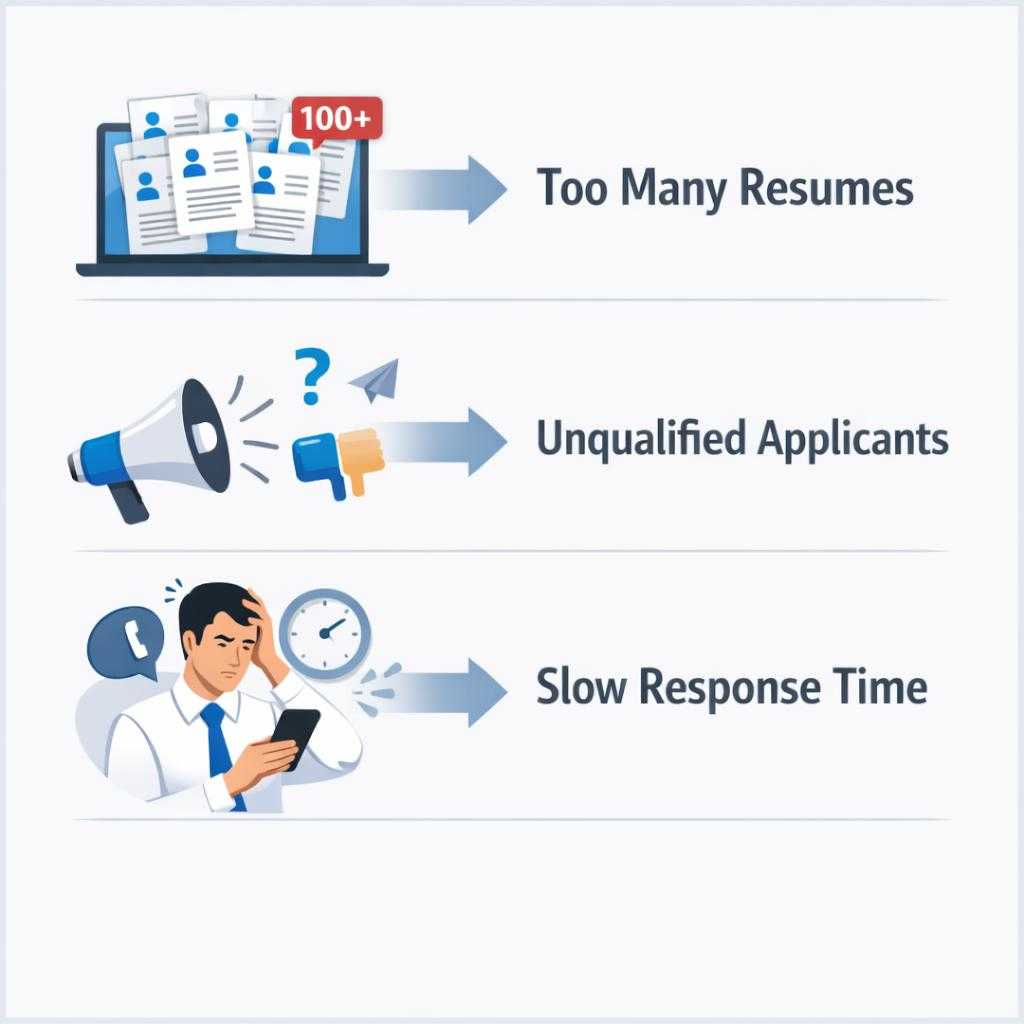
MSP hiring often goes nowhere even when candidates exist. You let volume substitute for filtering, then you personally become the funnel. You post for an L2 or L3, get buried in resumes that don’t match your stack or ticket reality, and your screening step turns into a late-night skim between escalations. That same pattern shows up when the first meaningful screen happens too late and interviews do the triage. Treating interviews as the filter is usually the highest-cost way to get the answer.
Then latency takes over. You delay outreach and feedback because you’re also running QBRs and jumping into the PSA when dispatch slips. Meanwhile, candidates keep moving. The same Employ report found 55% of recruiters see 40% or fewer of their offers accepted, and slow loops plus fuzzy comp bands make that worse. What you can do right now: track days between application and first contact, and count how many owner interviews it takes to get to one hire-worthy finalist.
Tracking a few simple time-and-quality metrics (like speed-to-first-contact and interview-to-offer ratio) makes it easier to spot where your hiring funnel is leaking. Read more in our article: 9 Essential Metrics To Track Hiring Success Retention
Which MSP Roles It Fits Best
A 20-person MSP tries to hire an L2 and a service manager in the same quarter, and every job description turns into a fresh invention and every resume needs owner translation. The roles that repeat most often are the ones where fractional recruiting can build momentum instead of starting from zero on every search.
Fractional is a strong fit when you can standardize the role into a scorecard and screening flow, instead of re-explaining what “good” looks like for every new search. The trap in a 10–30 person MSP is assuming familiarity with the team means someone can run the recruiting motion end to end. But knowing your service manager and lead techs isn’t the same as sourcing, filtering, and closing candidates. A service manager can keep the lights on, but turning them into the recruiter still pulls your scarcest operator into low-leverage funnel work.
Fractional works best on your core delivery bench, meaning L1/L2 help desk and L3/escalations-heavy support. Case in point: an “L2” posting that doesn’t specify your PSA/RMM, on-call reality, or documentation standards attracts a pile of generalists. A fractional recruiter can tighten the intake into a real scorecard, run structured screens, and hand you a short slate of candidates who can speak to triage, ownership, and the kind of client-facing pressure MSP work creates.
Fractional also fits many MSP-adjacent roles that still have clear outcomes. Service managers (queue health, SLA performance, technician utilization, client comms rhythm), outside sales reps (pipeline activity, seat growth, deal size bands), and even vCIO-style roles work when you can define the book size, QBR cadence, and technical depth required. What you should calibrate for: the more the role depends on your unique positioning or a highly specific security niche, the more you’ll stay involved in defining “good” and in selling the candidate on why your MSP is worth joining.
One practical move is to map your next 12 months of hires and label them pipeline (repeatable) vs. bespoke (narrow, owner-heavy).
In MSP delivery roles, soft skills like ownership, client communication, and follow-through often predict success as much as technical depth. Read more in our article: Top 7 Soft Skills And Leadership Traits In Candidates Fractional recruiting pays off fastest when most of your queue sits in the pipeline bucket.
Why Assessments Matter for MSP Technical Hires
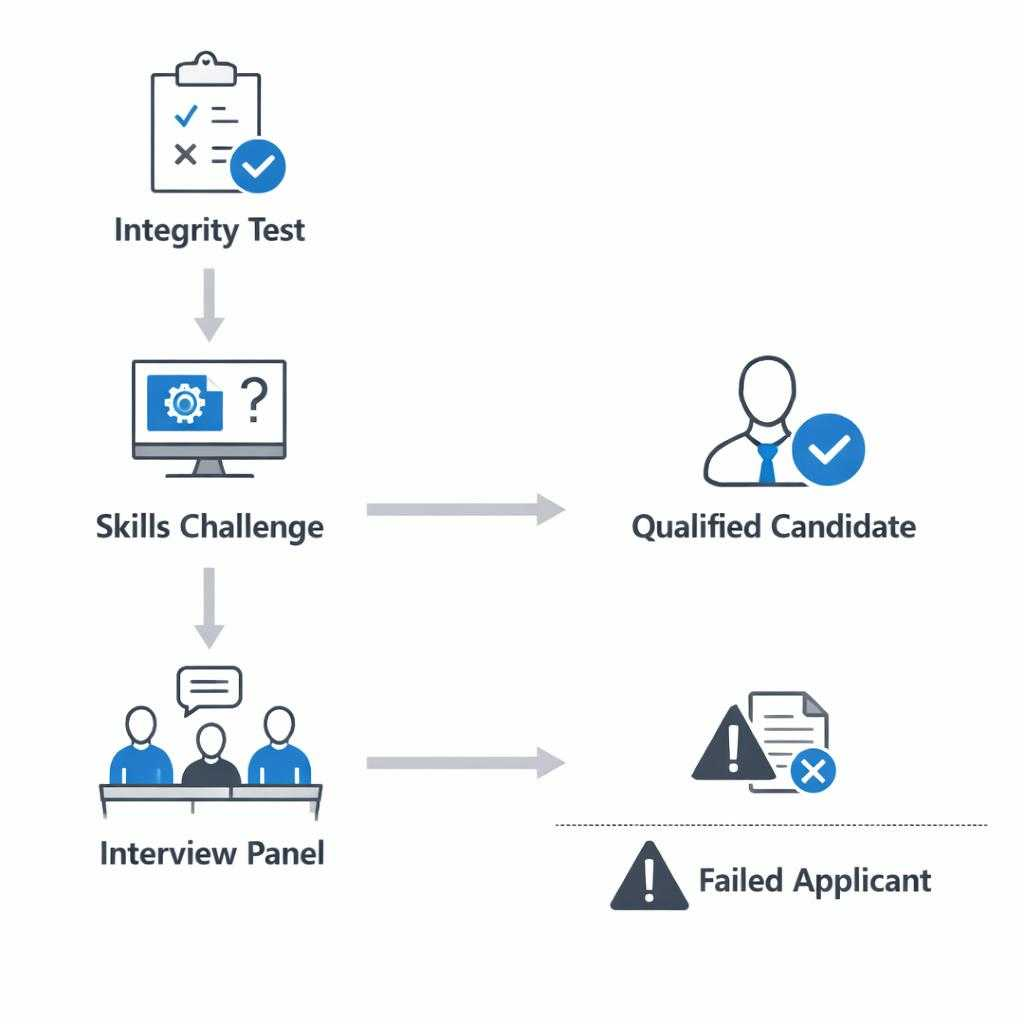
In an MSP, a bad technical hire creates rework and sloppy PSA notes that eventually drive churn risk on your top accounts. Missed tickets are the smaller problem. That’s why assessments matter: integrity and cognitive problem-solving screens catch the “interview fine, operate messy” candidates before you burn three owner rounds and a shadow week.
To illustrate this, think about an L2 who interviews well but cuts corners on client comms and documentation when they’re on-call. A simple move you can make this week: require a short integrity assessment plus a timed troubleshooting scenario before any panel interview, then only interview candidates who clear both.
How A Flat-Fee Fractional Engagement Runs Week To Week
You stop losing Thursday nights to inbox triage and calendar ping-pong, and your interview stages stop slipping a week at a time. The process starts behaving more like a queue you can manage than a side project you keep reopening.
Week to week, a flat-fee fractional setup looks less like “send us candidates” and more like you installing a repeatable hiring lane next to your PSA queue. You give one clean intake per role (must-haves and comp band), and the fractional recruiter owns sourcing and first-pass screening so you stop doing hiring in the margins.
In practice, you’ll usually have one standing check-in each week to review pipeline and tighten the screen. For instance, if you keep seeing L2 applicants who’ve never worked out of a PSA or who hand-wave documentation, you adjust the scorecard and the screen questions immediately, not after you’ve burned three interviews. By the first 30 days, success isn’t “the offer got signed” so much as: you’re seeing a steady flow of qualified screens, your interview stages have dates attached, and you can measure how many owner or service-manager interviews it takes to get to one real finalist.
A flat monthly retainer model works best when the recruiter can own sourcing, screening, and scheduling across multiple roles without resetting the process each search. Read more in our article: Flat Fee Recruiting
FAQ
How Much Does Fractional Recruiting Cost For An MSP?
Most MSPs see flat-fee fractional recruiting land around $1,500–$2,500 per month for MSP-scale hiring volume, with no per-placement fee. The point is to trade a lumpy 15%–30% contingency hit for a predictable retainer that covers sourcing, screening, and scheduling across multiple roles.
How Long Does It Take To Hire An L2/L3 With Fractional?
If you move fast on feedback and keep your comp band real, you’ll typically see L2/L3 hires happen in the 4–8 week range. When it drags, it’s usually days lost waiting on the owner or service manager to send feedback: days lost between first screen, technical interview, and offer while you’re buried in client work.
Can Fractional Handle Our Outside MSP Sales Hire Too?
Yes, as long as you can define the motion: lead source, target account size, your PSA-to-proposal workflow, and what counts as a qualified meeting in your world. You’ll still need to stay tight on the scorecard and comp plan, because a vague “go sell” role creates the same resume Indeed and ZipRecruiter applicants as a vague “L2” posting.
Is There A Minimum Number Of Hires Per Year To Justify Fractional?
If you only hire once every couple years, you’ll often do fine with a disciplined DIY process. Fractional tends to make sense when you’re realistically at 2–5 hires a year, or when one key seat (L3, service manager, security engineer) is soaking up enough owner hours that the retainer costs less than the distraction.
Related reading: Fractional Recruiting for Construction Companies · Fractional Recruiting Cost in 2026
If you’re spending more than 5 hours a week on hiring right now and your service manager is doing the interviews, schedule a 30-minute call with Discovered. We’ve placed 100+ MSP roles and we’ll show you what your hiring queue would look like under the fractional model.